Selling your old phone in Erode: what actually decides the price
Erode is known as both Turmeric City and Textile City — the district trades more turmeric than anywhere else in India and runs one of the country's biggest powerloom markets. Here's what actually decides what your phone is worth, and where doorstep pickup runs.
Erode district was bifurcated from Coimbatore on 17 September 1979, part of the older Kongu region, and it carries two working identities at once. As Turmeric City, Erode is India's biggest market for turmeric trading — enough that "Erode turmeric" was granted a Geographical Indication tag by the Government of India in 2019, the same kind of protected-origin status given to Darjeeling tea. As Textile City, it runs one of the country's largest powerloom and handloom shandies, where finished cloth from thousands of small units across the district gets bought and sold every week.
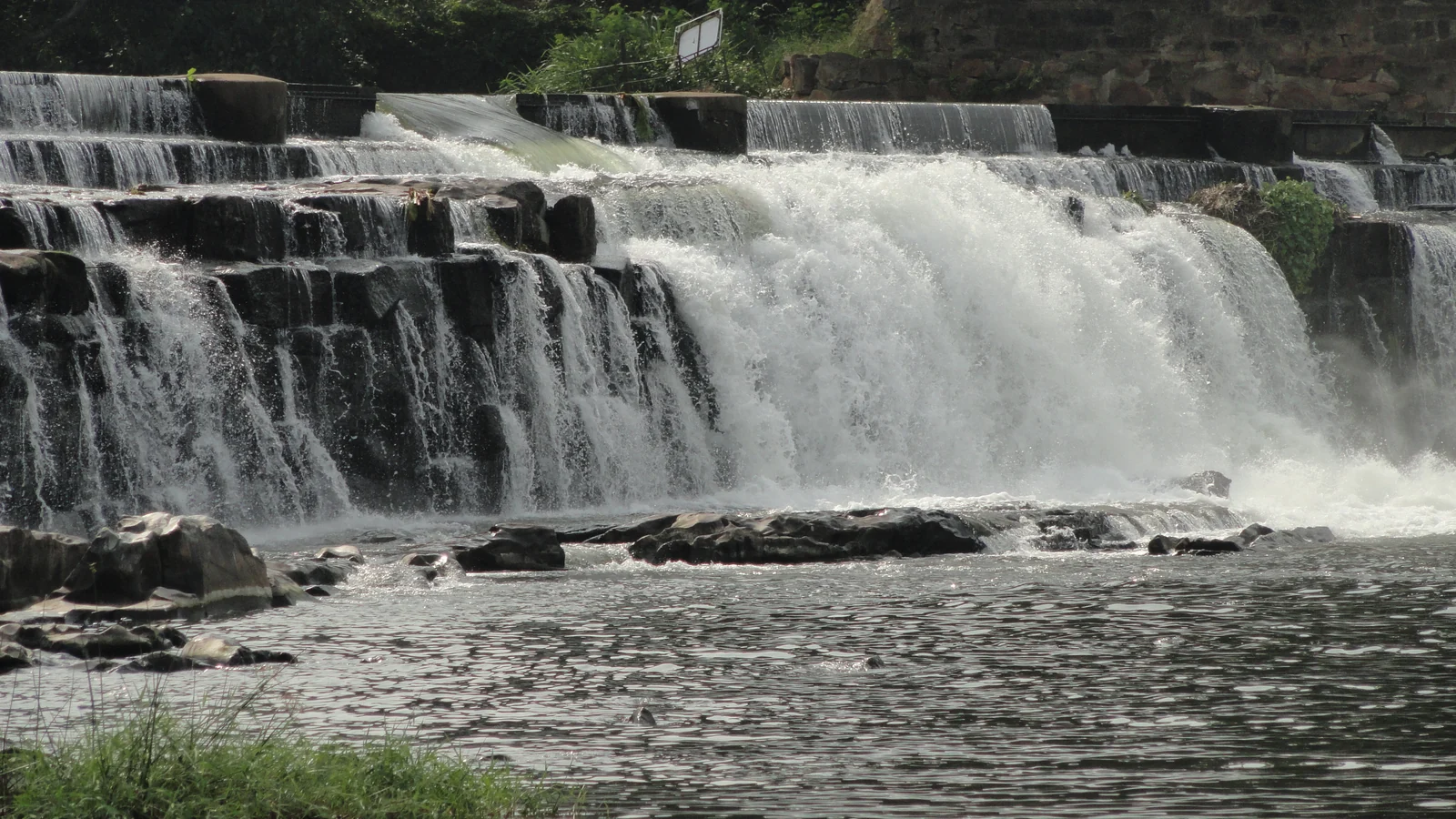
Away from the markets, the district's geography is shaped by water: the Bhavani and Cauvery rivers run through it, and the Kodiveri Dam — a stepped weir across the Bhavani near Gobichettipalayam — is one of the district's older irrigation structures, still drawing visitors to its falls and the park built around them. Between two major trading markets and a river-fed agricultural belt, this is exactly the kind of district where phones and laptops change hands often.
What actually decides your price
None of that changes what your specific phone is worth — the price comes from the same table wherever the device is picked up. It starts from a ceiling set by the model, the year it launched and the storage variant, and works down from there: the screen — a panel fault more than cracked glass — moves it most, then the body, then whether everything still works, then the battery. The bill, box and charger add on top, but none of them is required. The full breakdown covers all seven factors; the short version is that two people in Erode selling the same phone in the same condition see the same number as two people anywhere else we collect.
Where in Erode we actually collect
Coverage is set by pincode, not by a district's name on a page — 25 pincodes today across Erode district. The Erode page lists every pincode currently covered — worth checking directly rather than assuming, since a district being listed doesn't mean every part of it is.
The pickup itself
Once your price is confirmed, booking works exactly as it does everywhere else we collect: a two-hour slot on a day that suits you, a rider who checks the device against the answers you already gave, a factory reset done in front of you, and payment by UPI before they leave. What happens at a pickup walks through it step by step if you want to see the whole thing before you book.
Getting your number
See your price on the sell page — it takes about a minute, and looking commits you to nothing. If your address in Erode is one of the 25 pincodes we collect from, everything above happens exactly as described.
Get a price for your device
A price in about a minute, free doorstep pickup in a two-hour slot, and UPI before our agent leaves.
Questions people ask
- Does the price change depending on which part of Erode I'm in?
- No. The price comes from your device's model, storage and condition — the same table used everywhere we collect — not from your locality. What does depend on locality is whether we collect there at all, which is a pincode question, not a pricing one.
- Which parts of Erode do you collect from?
- 25 pincodes today. The full list is on the Erode page.
- How fast can I get picked up in Erode?
- The same two-hour slot as everywhere we collect — you pick the day and window when you book, and the rider comes to your address in it.
Cover photo: JayakanthanG / Wikimedia Commons, CC BY-SA 3.0