Selling your old phone in Perambalur: what actually decides the price
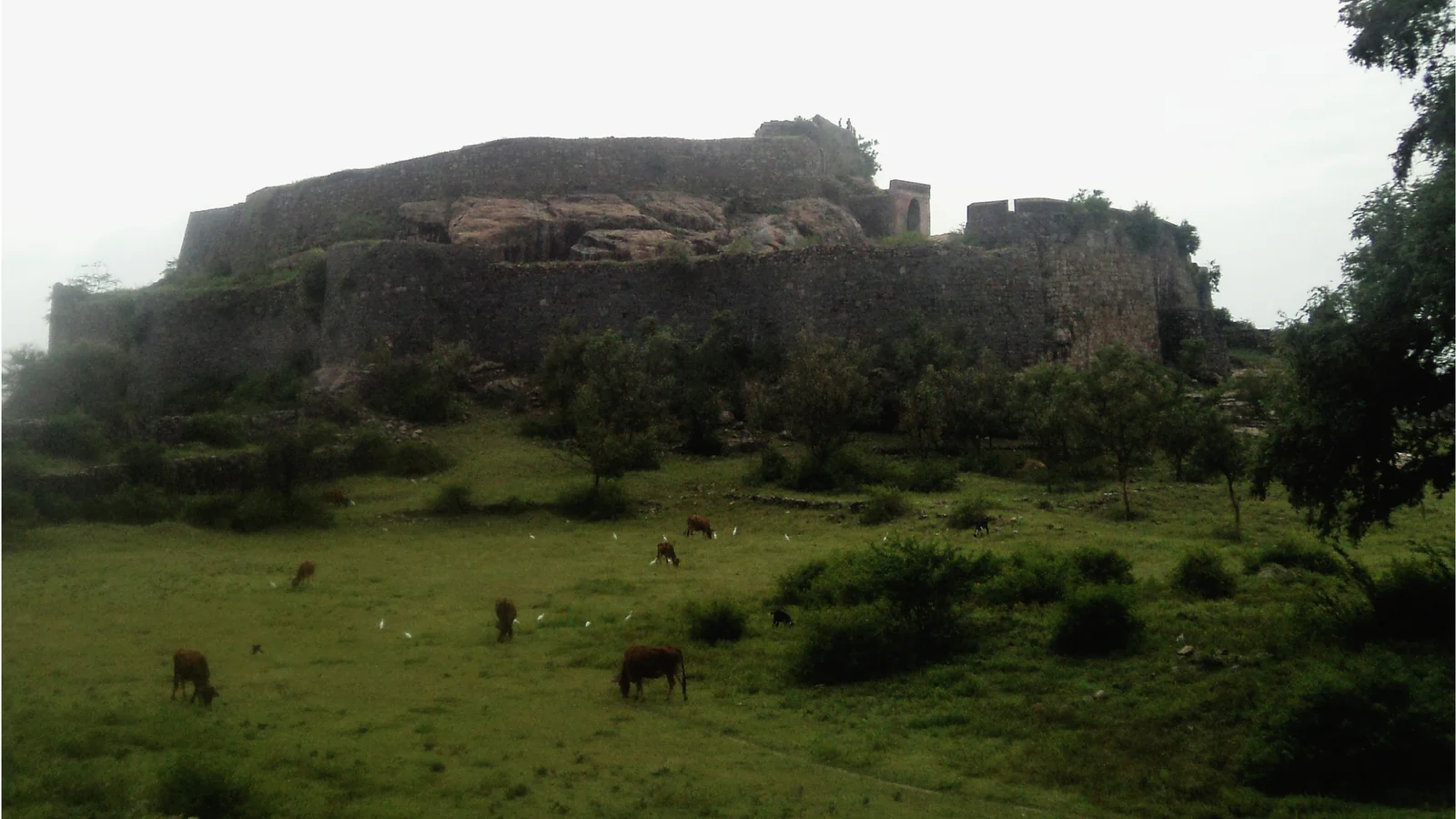
Perambalur's limestone deposits feed cement plants run by some of India's biggest producers, and the 17th-century Ranjankudi Fort still stands 22km from town — here's what actually decides what your phone is worth, and where doorstep pickup runs.
Perambalur came into existence as its own district on 30 September 1995, trifurcated out of Tiruchirappalli, and was reshaped again in December 2000 when a further split created Ariyalur district next door. What sits underground here has ended up mattering more than what sits on top: the district's limestone, shale and sandstone deposits are large enough that cement is now its dominant industry, with plants run by some of India's biggest producers — UltraTech, India Cements, Dalmia Cements and Madras Cements all operate units here. Above ground, more than half the population still works in agriculture — paddy, sugarcane, groundnut, millets and cashew.
The district's clearest link to an older history stands 22km north of Perambalur town: Ranjankudi Fort, an oblong, moated fortress with cut-stone bastions built in the 17th century for a Jagirdar of the Nawab of Carnatic. It played a real part in the Carnatic Wars — the 1751 Battle of Valikondah was fought around it, and French troops under D'Auteuil surrendered there in 1752 while trying to relieve the garrison at Srirangam. It's under ASI protection today, its stone walls and underground passages still standing even without much upkeep around them.
What actually decides your price
None of that changes what your specific phone is worth — the price comes from the same table wherever the device is picked up. It starts from a ceiling set by the model, the year it launched and the storage variant, and works down from there: the screen — a panel fault more than cracked glass — moves it most, then the body, then whether everything still works, then the battery. The bill, box and charger add on top, but none of them is required. The full breakdown covers all seven factors; the short version is that two people in Perambalur selling the same phone in the same condition see the same number as two people anywhere else we collect.
Where in Perambalur we actually collect
Coverage is set by pincode, not by a district's name on a page — 25 pincodes today across Perambalur district. The Perambalur page lists every pincode currently covered — worth checking directly rather than assuming, since a district being listed doesn't mean every part of it is.
The pickup itself
Once your price is confirmed, booking works exactly as it does everywhere else we collect: a two-hour slot on a day that suits you, a rider who checks the device against the answers you already gave, a factory reset done in front of you, and payment by UPI before they leave. What happens at a pickup walks through it step by step if you want to see the whole thing before you book.
Getting your number
See your price on the sell page — it takes about a minute, and looking commits you to nothing. If your address in Perambalur is one of the 25 pincodes we collect from, everything above happens exactly as described.
Get a price for your device
A price in about a minute, free doorstep pickup in a two-hour slot, and UPI before our agent leaves.
Questions people ask
- Does the price change depending on which part of Perambalur I'm in?
- No. The price comes from your device's model, storage and condition — the same table used everywhere we collect — not from your locality. What does depend on locality is whether we collect there at all, which is a pincode question, not a pricing one.
- Which parts of Perambalur do you collect from?
- 25 pincodes today. The full list is on the Perambalur page.
- How fast can I get picked up in Perambalur?
- The same two-hour slot as everywhere we collect — you pick the day and window when you book, and the rider comes to your address in it.
Cover photo: Thagavaluzhavan / Wikimedia Commons, CC BY-SA 3.0