Selling your old phone in Pollachi: what actually decides the price
Pollachi supplies most of the tender coconuts sold across Tamil Nadu and has quietly been the backdrop of thousands of Tamil films — here's what actually decides what your phone is worth, and where doorstep pickup runs.
Pollachi's name is thought to come from the Tamil Pozhil Vaitchi, "gifted with beauty" — a name that shows up in Chola-era edicts for the region. Today that beauty is mostly rows of coconut palms: Pollachi supplies a large share of the tender coconuts sold in Chennai and across Tamil Nadu, enough that it's routinely called the state's Coconut Capital, alongside a strong trade in jaggery and banana.
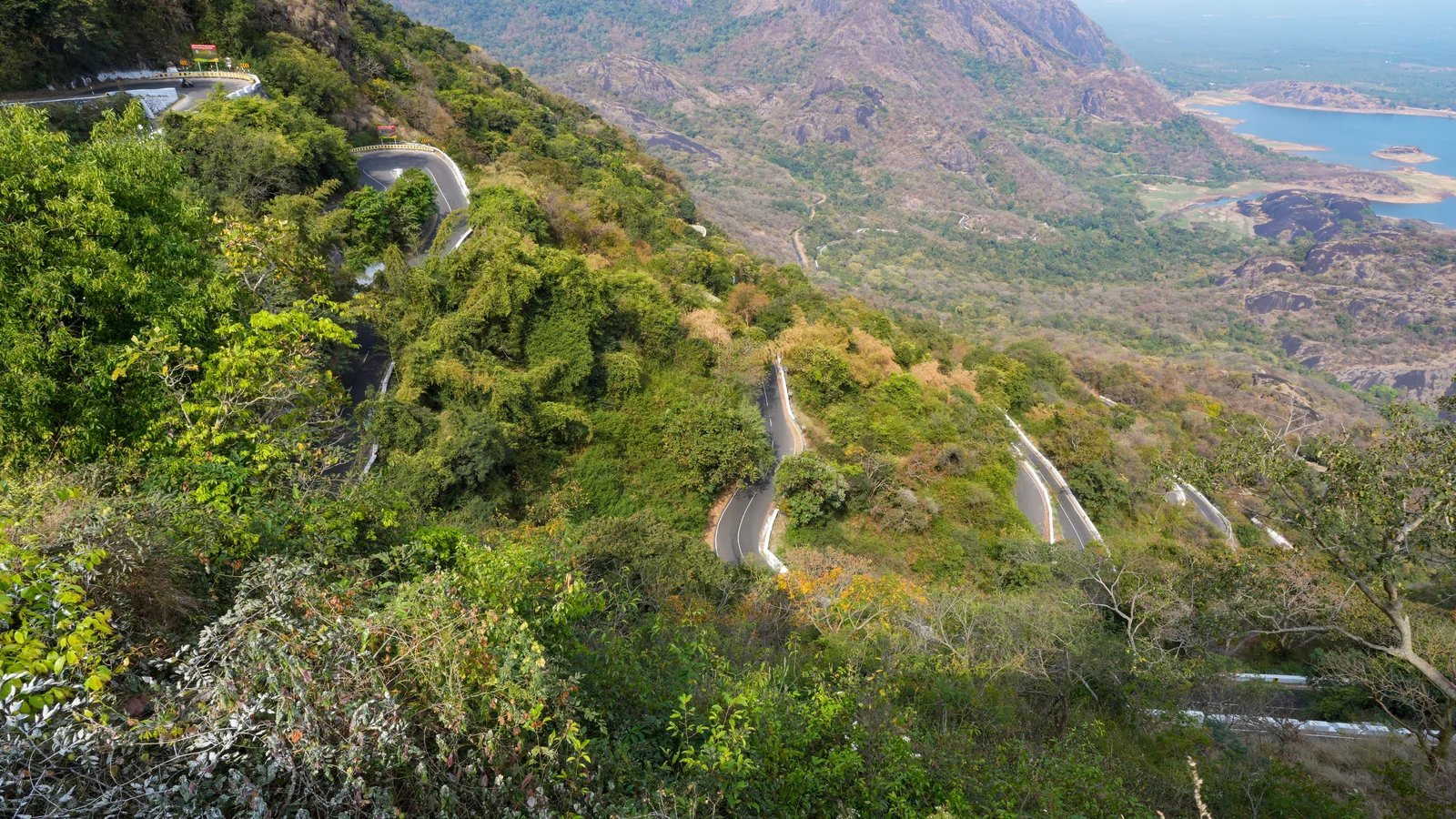
That same countryside — coconut groves, open farmland, the Anamalai hills rising behind it — has made Pollachi one of Tamil cinema's most reused backdrops. Industry estimates put the number of films shot in and around Pollachi taluk in the thousands once songs and village scenes are counted, and the Aliyar Dam and its park in particular have shown up in romantic songs across decades of Tamil movies. The dam itself is a real piece of infrastructure first — built across the Aliyar river between 1959 and 1969, inaugurated by Prime Minister Jawaharlal Nehru in October 1962, and still irrigating the farmland that keeps the coconut and banana trade running. The road up from the dam climbs the ghats toward Valparai, deep in the Western Ghats' Anamalai range.
What actually decides your price
None of that changes what your specific phone is worth — the price comes from the same table wherever the device is picked up. It starts from a ceiling set by the model, the year it launched and the storage variant, and works down from there: the screen — a panel fault more than cracked glass — moves it most, then the body, then whether everything still works, then the battery. The bill, box and charger add on top, but none of them is required. The full breakdown covers all seven factors; the short version is that two people in Pollachi selling the same phone in the same condition see the same number as two people anywhere else we collect.
Where in Pollachi we actually collect
Coverage is set by pincode, not by a town's name on a page — 20 pincodes today across Pollachi. The Pollachi page lists every pincode currently covered — worth checking directly rather than assuming, since being listed doesn't mean every part of it is.
The pickup itself
Once your price is confirmed, booking works exactly as it does everywhere else we collect: a two-hour slot on a day that suits you, a rider who checks the device against the answers you already gave, a factory reset done in front of you, and payment by UPI before they leave. What happens at a pickup walks through it step by step if you want to see the whole thing before you book.
Getting your number
See your price on the sell page — it takes about a minute, and looking commits you to nothing. If your address in Pollachi is one of the 20 pincodes we collect from, everything above happens exactly as described.
Get a price for your device
A price in about a minute, free doorstep pickup in a two-hour slot, and UPI before our agent leaves.
Questions people ask
- Does the price change depending on which part of Pollachi I'm in?
- No. The price comes from your device's model, storage and condition — the same table used everywhere we collect — not from your locality. What does depend on locality is whether we collect there at all, which is a pincode question, not a pricing one.
- Which parts of Pollachi do you collect from?
- 20 pincodes today. The full list is on the Pollachi page.
- How fast can I get picked up in Pollachi?
- The same two-hour slot as everywhere we collect — you pick the day and window when you book, and the rider comes to your address in it.
Cover photo: Timothy A. Gonsalves / Wikimedia Commons, CC BY-SA 4.0