Selling your old phone in Theni: what actually decides the price
Theni district's Bodinayakanur trades enough cardamom to be called Cardamom City, and the Vaigai Dam it sits below waters six districts — here's what actually decides what your phone is worth, and where doorstep pickup runs.
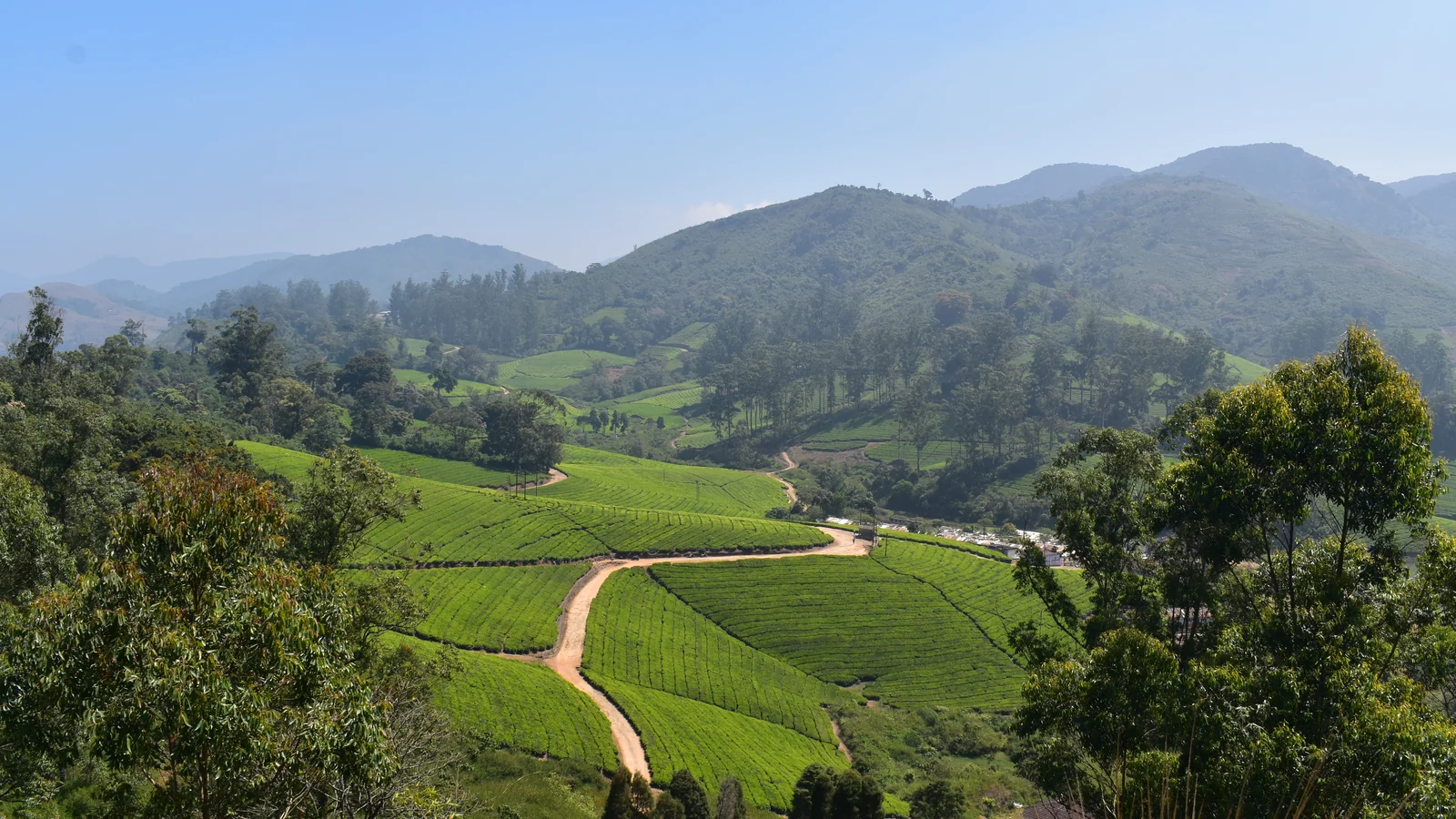
Theni was carved out of Madurai district on 7 July 1997, and it holds two very different landscapes inside one boundary. Up in the Western Ghats, Meghamalai — the High Wavy Mountains — rises to about 1,500m, cool and misty for most of the year, its slopes laid out in tea estates and cardamom plantations. Down at the market town of Bodinayakanur, that hill produce gets traded at a scale large enough that the town is simply called Cardamom City — cardamom, coffee, tea and black pepper all pass through it.
The other landmark that shapes the district is the Vaigai Dam, inaugurated on 21 January 1959 by then Chief Minister K. Kamaraj. It doesn't just serve Theni — it's the lifeline for farmers across six districts: Theni, Dindigul, Madurai, Sivagangai, Virudhunagar and Ramanathapuram. Between the hill-grown cash crops and the irrigated plains below the dam, the district's economy runs on cotton, cardamom, garlic, grapes, mangoes and sugarcane, backed by cotton-spinning units and sugar mills.
What actually decides your price
None of that changes what your specific phone is worth — the price comes from the same table wherever the device is picked up. It starts from a ceiling set by the model, the year it launched and the storage variant, and works down from there: the screen — a panel fault more than cracked glass — moves it most, then the body, then whether everything still works, then the battery. The bill, box and charger add on top, but none of them is required. The full breakdown covers all seven factors; the short version is that two people in Theni selling the same phone in the same condition see the same number as two people anywhere else we collect.
Where in Theni we actually collect
Coverage is set by pincode, not by a district's name on a page — 21 pincodes today across Theni district. The Theni page lists every pincode currently covered — worth checking directly rather than assuming, since a district being listed doesn't mean every part of it is.
The pickup itself
Once your price is confirmed, booking works exactly as it does everywhere else we collect: a two-hour slot on a day that suits you, a rider who checks the device against the answers you already gave, a factory reset done in front of you, and payment by UPI before they leave. What happens at a pickup walks through it step by step if you want to see the whole thing before you book.
Getting your number
See your price on the sell page — it takes about a minute, and looking commits you to nothing. If your address in Theni is one of the 21 pincodes we collect from, everything above happens exactly as described.
Get a price for your device
A price in about a minute, free doorstep pickup in a two-hour slot, and UPI before our agent leaves.
Questions people ask
- Does the price change depending on which part of Theni I'm in?
- No. The price comes from your device's model, storage and condition — the same table used everywhere we collect — not from your locality. What does depend on locality is whether we collect there at all, which is a pincode question, not a pricing one.
- Which parts of Theni do you collect from?
- 21 pincodes today. The full list is on the Theni page.
- How fast can I get picked up in Theni?
- The same two-hour slot as everywhere we collect — you pick the day and window when you book, and the rider comes to your address in it.
Cover photo: Nrr1729 / Wikimedia Commons, CC BY-SA 4.0